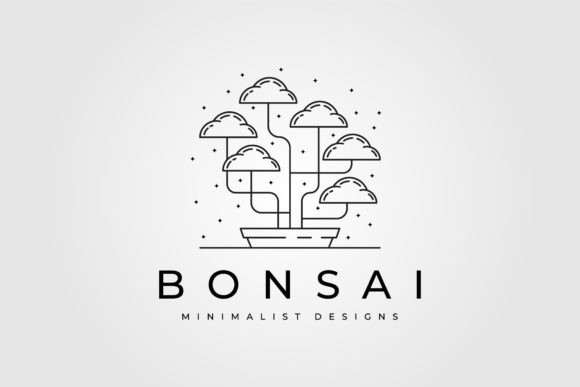
A Review of the Bonsai Tree Logo for Website & Blog Graphics
As someone who designs blogs and publishes digital content daily, I constantly evaluate graphic design assets for their practical editorial value. Today, I’m looking at a specific asset: the Line Art Bonsai Tree Icon Logo Vector. This isn’t just a logo; it’s a versatile visual tool for publishers. My review is based on its potential to enhance real publishing workflows, from featured images to downloadable guides.
First Impression: The Editorial Mood of a Bonsai Tree Graphic
Upon opening the files, the immediate impression is one of calm, growth, and mindful artistry. The line art style is clean and modern, yet it carries a decorative, almost zen-like quality. This isn’t a bold, corporate icon. It feels lifestyle-focused, educational, and artistic. It naturally supports content niches around wellness, gardening, mindful living, personal development, Asian culture, and even small business philosophy. For a reader, this aesthetic signals a thoughtful, curated space rather than a loud, commercial one, which can build subtle trust.
Real Publishing Uses: From Blog Graphics to Digital Guides
This vector asset shines in numerous real-world content publishing scenarios. Its scalability and multiple file formats—EPS 10, SVG, PDF, and JPG—make it adaptable across platforms. Here’s where I’d deploy it in my workflow.
Enhancing Blog Posts & Website Headers
For a blog article about “Mindful Productivity,” this bonsai tree becomes a perfect focal point in a featured image. Placed beside a clean sans-serif headline, it creates a strong visual hierarchy. It can serve as a recurring category thumbnail for a “Lifestyle” or “Growth” section, aiding reader navigation. As a subtle website header graphic, it establishes a consistent, professional visual identity without overwhelming the text.
Building Social Media & Pinterest Visuals
For social media graphics and Pinterest pins promoting a downloadable guide on “Beginner Bonsai Care,” this icon is ideal. Its clear, recognizable shape performs well even in small previews, grabbing attention. Using the vector files, I can easily change colors to match a campaign or season, optimizing click-through potential. It’s a foundational element for a Canva template I might create for my audience.
Polishing Digital Products & Lead Magnets
This is where the vector nature is crucial. For a digital guide, worksheet, or eBook cover, I can integrate the bonsai tree seamlessly into the layout. Since it’s vector-based, I can modify it—perhaps isolating a single branch for an accent—without losing quality. It elevates a simple PDF into a polished digital product, making a lead magnet or content upgrade feel more valuable and professionally designed.
How This Design Asset Supports Content Performance
Beyond aesthetics, this graphic design asset delivers tangible benefits for content performance. A cohesive visual system using this icon can lead to better category recognition across a website. Readers subconsciously associate the symbol with your content theme. For affiliate marketing pages or newsletter graphics, a professional-looking visual increases credibility and reader trust. A stronger first impression on a blog post thumbnail can directly influence click-through rates from social media or search results.
Where This Bonsai Tree Logo Works Best
This asset excels in specific editorial contexts.
- Hero images and article headers where symbolism matters.
- Blog graphics and editorial accents that need a touch of artistry.
- Pinterest pins and social media previews requiring clear iconography.
- Content upgrades and downloadable resources like printables.
- Newsletter headers establishing a serene brand tone.
Publisher Notes: Practical Considerations for Use
Before integrating this into a live project, I run several practical checks.
- Test scalability: How does it look as a tiny mobile thumbnail versus a large website banner? The line art holds up well.
- Preview with text: I place it beside various font styles—serif, sans-serif, script—to ensure harmony. It pairs beautifully with clean, modern fonts.
- Check contrast & readability: On a busy background image, it might get lost. It performs best on solid, light-colored fields.
- Review file use: For web performance, I’d use the SVG or optimized JPG. For print or editable digital guides, the EPS file opened in Adobe Illustrator is best, as the product description suggests, allowing full customization of the vector paths.
- Confirm licensing: For use on monetized websites, affiliate pages, or paid content products, I always verify the commercial license. This asset, being a vector logo, typically comes with broad commercial design rights.
A Final Thought on Editorial Quality
The Line Art Bonsai Tree Icon Logo Vector is more than a graphic; it’s a strategic design asset for publishers. It helps transform plain text pages into visually communicative editorial experiences. By providing a consistent, meaningful symbol, it supports stronger branding across blog graphics, social media graphics, and digital products. For bloggers, content creators, and small business owners looking to convey themes of growth and calm professionalism, this vector offers a simple, yet powerful, way to elevate their entire content library’s visual appeal. Remember, the key is to treat it as a flexible component of your design system, not just a static logo.