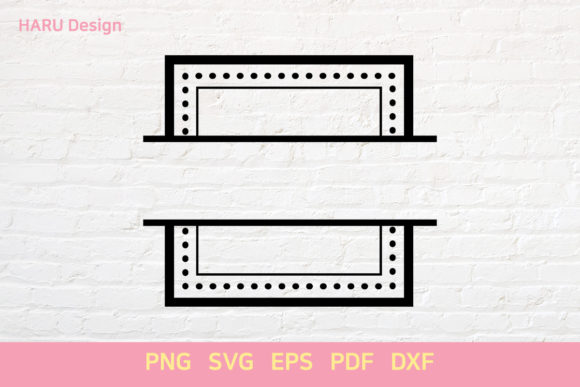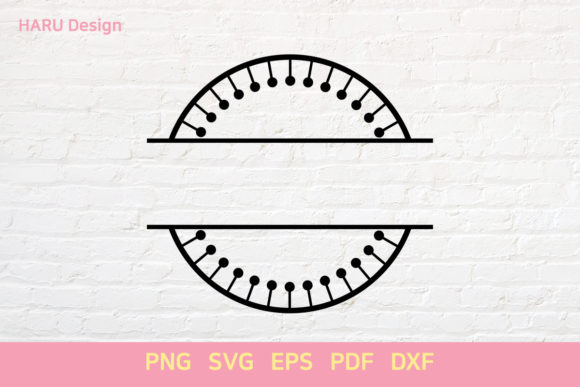
Circle Stitch Split: A Versatile Graphics Decorative Element
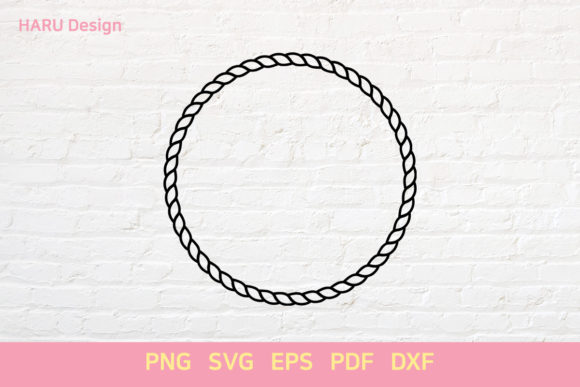
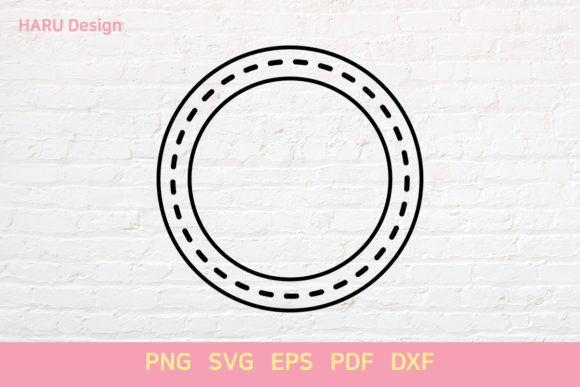
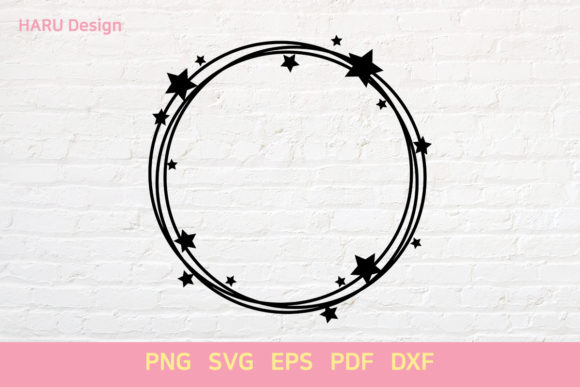
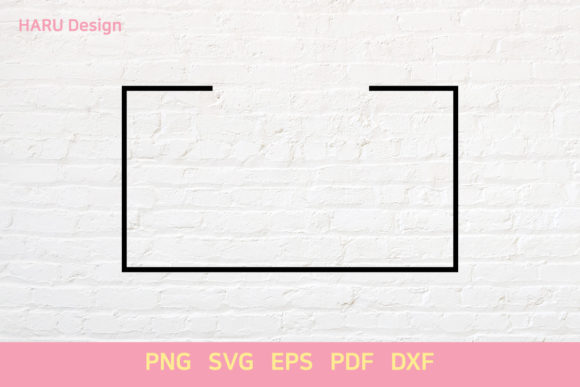
When I’m sourcing a new graphic for my online shop, my first step is to open the files and assess the design’s mood and commercial potential. My immediate impression of Circle Stitch Split is its decorative, handmade charm. It carries a rustic yet playful visual personality, leaning towards a crafty, approachable feel. This isn’t a sleek, minimalist asset; it’s a design element that evokes warmth and a touch of whimsy. I see it resonating with buyers who favor a cozy, cottage-core aesthetic, handmade businesses, or sellers targeting a feminine, creative audience for things like planners, nursery decor, and personalized gifts.
Niche Appeal and Product Fit for Your Shop
This decorative element feels versatile within its niche. The ‘stitch’ detailing suggests textiles and crafts, making it a natural fit for products that benefit from a tactile, handmade look. For my current project—preparing a spring collection for my Etsy digital download shop—this graphic could anchor a themed bundle. I’m thinking of using it across multiple product formats to test its range.
The package includes five core file types: an SVG for cutting machines, an EPS for professional design software, a PNG with transparency for quick use, a PDF for consistent printing, and a DXF for certain engraving or CAD applications. All are set on a 12-inch by 12-inch artboard, which is a standard and generous size for most applications.
Testing Circle Stitch Split Across Product Types
Before publishing any listing, I run a design through several real-world scenarios. Here’s how I’d test Circle Stitch Split:
- SVG Products: Load the SVG into software for Cricut or Silhouette projects. I’d test cutting it as a vinyl decal for a mug or t-shirt design, and as a paper element for a sticker or greeting card template. The split-circle shape is simple, which should yield clean cut lines.
- PNG Designs & Printables: Place the PNG file onto mockups for printable wall art, a planner sticker sheet, or digital scrapbooking kits. Its transparency allows easy overlay on different backgrounds.
- Product Mockups: Apply the design to mockup images for a tote bag print, a tumbler wrap, or sublimation designs for a pillowcase. This previews its visual impact as merchandise.
- Template Integration: Import the graphic into Canva to build a social media template or invitation template. Pair it with different font styles—a simple sans-serif for clarity, or a delicate script font to enhance its rustic elegance—to see how it supports a complete layout.
This cross-testing reveals where the asset shines and where it might need careful handling.
Where This Graphic Design Asset Works Best
Based on its style and technical specs, Circle Stitch Split excels in several commercial applications.
- Themed Bundles & Seasonal Collections: Its decorative nature makes it a strong candidate for a “Handmade Feel” digital paper pack or a spring-themed clipart bundle. It can provide brand consistency across a collection.
- Printable Products: The 12x12 size and PDF file ensure it scales well for high-resolution printable wall art or a greeting card front. The design isn’t overly complex, so it won’t become a muddy mess when printed.
- Decorative Layouts: In blog graphics or packaging design, it can serve as a charming background element or a border to frame text, boosting visual hierarchy.
- Product Presentation: Used in listing images or thumbnail previews, it can add immediate decorative appeal, helping a product stand out in a marketplace like Creative Fabrica or Shopify.
- Social Media Promos: As part of promotional visuals for a new digital product launch, it can reinforce a cozy, creative brand identity.
Practical Considerations and Seller Notes
Even a versatile asset requires a practical check. Here are key points to verify before selling finished products.
- Preview as a Marketplace Thumbnail: Simulate how the design looks when scaled down to a small Etsy listing thumbnail. Ensure its ‘split stitch’ detail remains recognizable and doesn’t just look like a blurry circle.
- Check Contrast on Different Backgrounds: Test the PNG on both white and dark backgrounds. The stitch lines might lose visibility on very busy or dark surfaces.
- Verify SVG Cut Quality: For Cricut projects, inspect the cut paths in your design software. Ensure the split in the circle and the stitch marks are distinct, not fused, to avoid cutting issues.
- Test Print Colors: If you’re offering physical prints via print-on-demand, order a test print on a mug or art print to confirm color reproduction and clarity.
- Organize Files Clearly for Customers: Since you receive multiple file types, clearly label them in your final product zip file. This professionalism builds customer trust and perceived value.
- Confirm Commercial Licensing: Always double-check the license for the original asset. Assuming it grants a commercial license, you can proceed to sell your derived products—like Canva templates or t-shirt designs—without legal risk.
Where to Use Circle Stitch Split Carefully
Understanding limitations prevents product issues. This graphic should be used carefully in a few contexts.
- Tiny Sticker Details: If scaled down excessively for a small planner sticker, the intricate stitch marks might become too fine and fail to cut or print clearly.
- Overly Complex Layouts: In a text-heavy template or crowded scrapbooking kit, its decorative shape could compete with other elements and reduce overall clarity.
- Low-Resolution Print Products: While the files are high-quality, using it on a product where the final print resolution is low (like some budget POD services) could degrade the handmade detail.
- Weak Contrast Situations: Placing it over a patterned background with similar colors would diminish its impact and hurt thumbnail appeal.
These are not flaws of the design itself, but simply smart application guidelines for any commercial design asset.
Supporting a Professional Product Collection
The ultimate goal is to elevate your entire shop. Circle Stitch Split, when applied thoughtfully, can contribute to a more professional and cohesive online presence. It offers a ready-made decorative element that saves design time. By using it across a coordinated product line—say, a set of nursery prints, matching greeting cards, and social media graphics for promotion—you create visual storytelling that feels intentional. This consistency helps customers recognize your brand’s style, increasing click-through potential across your listings.
For digital product creators, the multiple file formats mean you can cater to a wider audience: Cricut users get the SVG, graphic designers get the EPS, and casual creators get the easy PNG. Offering finished products in these varied formats, derived from a single strong asset like Circle Stitch Split, allows you to efficiently expand your catalog on platforms like Etsy or print-on-demand services.
In my real shop scenario, after testing, I’d likely use Circle Stitch Split as a featured graphic in a small “Rustic Decor” digital bundle. I’d create a few product mockups showing it on a mug, a wall art print, and as a clipart element in a Canva template. This demonstrates its utility to potential buyers and showcases its value as a commercial design asset. The key is to always test, adapt, and present it in contexts where its handmade, decorative charm is both clear and commercially effective.