Frame Mutations: A Designer's Review for Real Embroidery Projects
First Impressions: The Mood and Utility of Four Patterns
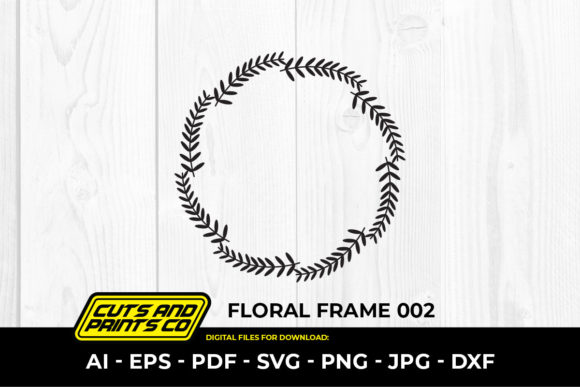
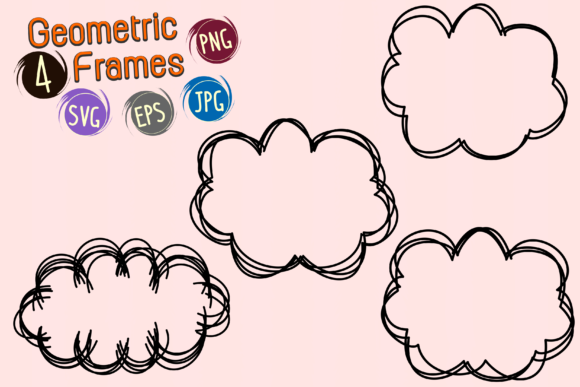
Opening Frame Mutations, my immediate thought wasn't about the individual shapes, but about the versatile atmosphere they create together. This isn't a single, rigid motif; it's a toolkit of decorative elements with a cohesive, slightly playful graphic personality. The patterns feel modern yet timeless, offering that clean, graphic look that translates so well from screen to stitch. The layout possibilities, especially the mentioned collage quotes, suggest a design built for customization, which is exactly what I look for when sourcing embroidery files for client work or my own craft business products.
The detail level appears thoughtfully balanced—not overly dense, which is a relief. In my experience, overly intricate decorative elements can become muddy or lose definition when stitched, especially on textured fabrics like sweatshirts or tote bags. The shapes here seem to have a clarity that promises good stitching clarity, making them suitable for a wide range of projects from a personalized baby blanket to a boutique apron.
Where Frame Mutations Shines in Real-Life Embroidery
Let’s walk through a real scenario. I’m preparing a custom embroidered tote bag for a small shop’s branding merchandise. I need a design that looks professional, enhances the handmade product’s value, and can be produced reliably. Frame Mutations patterns, used as a seamless border or a focal collage, fit this perfectly. They would add a decorative accent without overwhelming the bag’s surface, creating a polished look that builds customer trust in the brand’s consistency.
For custom apparel like t-shirts or caps, these graphic elements offer a way to elevate a simple garment. Imagine a single, well-chosen pattern stitched neatly on a cap’s curved surface—it becomes a subtle, stylish detail. For baby clothes or nursery decor, the patterns can be combined for a playful yet sophisticated theme. As a personalized gift, such as a monogrammed pillow cover using a frame pattern as a border, the design adds a layer of thoughtfulness that feels special.
For commercial embroidery projects and Etsy sellers, these are excellent design assets. They can be used to create a whole line of coordinated products—tea towels, patches, holiday gifts—giving a small shop product range a unified, professional feel. They also work beautifully in printable mockups and digital product previews to showcase the potential of the finished product, which is crucial for engaging buyers online.
A Note on Visual Appeal and Professionalism
How a design stitches out directly affects visual appeal and perceived craftsmanship. Based on the patterns’ description, I anticipate that with proper execution, Frame Mutations would maintain clean lines. This clarity is key for giftability and recognition. A messy, dense satin stitch or fill stitch area can make a gift look homemade in a negative way; a crisp, well-defined graphic element looks intentionally crafted. These patterns seem designed to avoid that pitfall, supporting a professional presentation for your embroidery project.
Careful Application: Where to Use Frame Mutations with Attention
Even with promising designs, practical judgment is required. For Frame Mutations, I would advise caution in a few specific embroidery situations. First, on very small hoop sizes. If any of the patterns contain tiny internal details or lettering within the collage quotes, those could lose integrity on a miniature scale. Always inspect the small details in your software before committing to a tiny patch or baby item.
Textured or stretchy fabrics, like some knit sweatshirts, demand extra care. The success here hinges on using the proper stabilizer and checking stitch density. A design with high density on stretchy fabric can lead to puckering. While the description suggests these are decorative patterns, it’s wise to test on scrap fabric first to see how the fill stitches behave.
Dark fabric backgrounds require a deliberate thread color contrast check. A light, intricate pattern on a dark garment might need a bold thread choice or even an underlay to pop effectively. Similarly, for products destined for frequent washing, like kitchen towels or aprons, ensure the stitch structure is robust enough to withstand wear—sometimes simpler, open designs fare better.
Applying these graphics to layered garments or curved surfaces like caps always benefits from a test run. The distortion on a curved seam can alter how a perfect frame pattern looks, so adjusting size or placement might be necessary.
Practical Designer Notes Before You Stitch
Before loading this embroidery file into your machine, here’s my standard review checklist for a set like Frame Mutations.
- Test on Scrap Fabric: This is non-negotiable. Use a fabric similar to your final project—a piece of tote bag canvas, a swatch of jersey for a t-shirt, or some denim for a patch. It reveals everything: thread color interaction, actual stitch density, and how the design sits on the material.
- Check in Black and White: Create a simple black and white mockup of your planned product. This helps judge form and contrast separate from color, ensuring the design’s structure is strong.
- Compare Light and Dark Backgrounds: If you plan to use the patterns across different products, preview them on both light and dark digital backgrounds. This informs your thread palette planning.
- Confirm Hoop Size Requirements: While specific sizes aren’t provided in the description, you must verify the design’s dimensions and required hoop in your embroidery software to match your project’s scale.
- Review Licensing for Your Use: The description mentions use for crafts and many projects, but if you are an Etsy seller or small business owner creating commercial embroidery products, you must confirm the licensing terms. Can you sell the finished product? Can you use it for digital product previews? Never assume.
These steps transform a promising digital embroidery file into a reliable asset for your craft business or creative projects. They safeguard against disappointing results on a custom apparel order or a batch of holiday gifts.
The Final Stitch: A Confident Choice for Makers
Ultimately, Frame Mutations presents itself as a confident choice for makers who need versatile, graphic decorative elements. Its strength lies in its potential for mixing and collaging, allowing you to create unique designs for personalized gifts or small shop merchandise without starting from scratch. It feels less like a single-use template and more like a foundational component for your embroidery projects.
When stitched with care on appropriate projects—avoiding the pitfalls of overly small scales or tricky fabrics—it should yield a clean, modern look that enhances product value and buyer engagement. For the embroidery designer, small business owner, or hobbyist looking to add polished, graphic accents to their work, this set of patterns warrants a close, practical look. Just remember the golden rule: test first, stitch with confidence second.