Hexagon Split: A Bold Geometric Statement for Embroidery
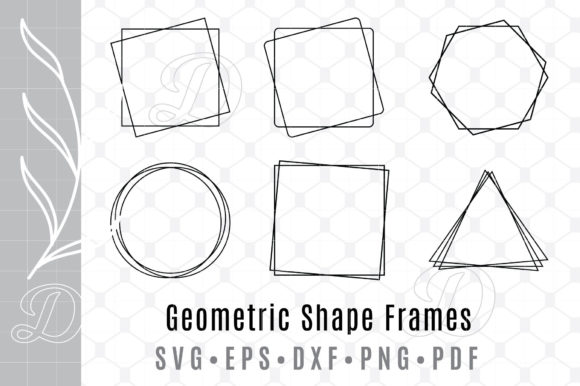
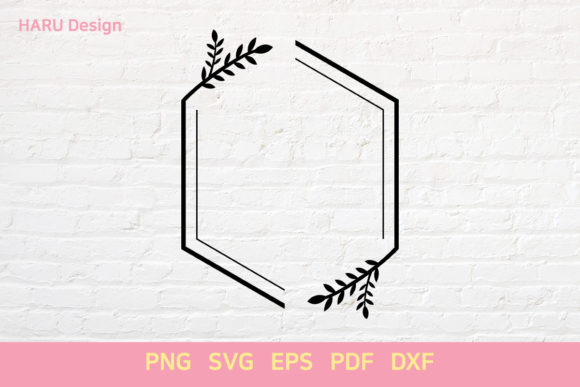
When I’m choosing an embroidery design for a client project or for my own small shop products, the first thing I look for is visual personality. Hexagon Split has it immediately. This isn’t a soft, floral motif; it’s a confident, modern geometric statement. The split, fragmented hexagon creates a dynamic, almost architectural feel. It suggests structure, energy, and a contemporary edge. For makers looking to move beyond cute or traditional themes, this design offers a refreshing alternative.
The Mood and Where It Belongs
This design feels inherently modern and versatile. It wouldn’t look out of place on a minimalist minimalist apron in a boutique kitchen store, nor would it clash on a sleek tote bag for a creative professional. I immediately pictured it embroidered on the back of a heavyweight sweatshirt—the clean lines and bold shape would hold up beautifully to the fabric’s texture, creating a piece that feels designed, not just decorated. It also sparks ideas for nursery decor; its geometric nature feels playful and educational rather than overly whimsical. For a holiday gift, imagine it on a premium pillow cover, offering a lasting design statement rather than a seasonal one.
A Real Project Scenario: The Custom Tote Bag
Let’s walk through a real case. I’m preparing a custom embroidered tote bag for a small business owner who wants their merchandise to look polished and unique. Hexagon Split comes to mind. The 12-inch artboard size noted in the product details means I have scale flexibility. I could embroider a large, striking version centered on the bag, or a smaller cluster of the pattern near the top for a more subtle branding effect.
The design’s open, fragmented layout is key here. On a tote bag, which might be made of canvas or a similar sturdy fabric, a very dense, filled embroidery design can sometimes feel stiff and heavy. Hexagon Split, with its likely use of running stitches and open areas (based on its graphic nature), would stitch out with a lighter density, preserving the bag’s drape and feel. This is a practical consideration often overlooked. The finished product would look clean, professional, and modern—exactly what a creative entrepreneur wants for their brand.
Performance Across Real-Life Embroidery Situations
This is a decorative element, a graphic. Its strength lies in its adaptability. For custom apparel like t-shirts, it’s important to consider fabric. On a standard cotton tee, it would look great. On a stretchy jersey or a very thin fabric, the success would depend heavily on using the correct stabilizer and potentially adjusting the stitch density, something you’d need to test. It’s not inherently unsuitable, but it requires that extra step of precaution.
For patches, this design is a fantastic candidate. The clear, defined lines would translate well into a standalone applique design or a fully embroidered patch. It has the graphic quality that makes a patch look intentional and collectible. For baby clothes, I’d lean towards using it on items like cotton rompers or quilt covers rather than on delicate, stretchy knits, where the detail might be compromised.
In commercial embroidery projects or for Etsy sellers creating inventory, Hexagon Split offers a consistent, repeatable motif. You could build a whole line around it: tea towels, pillow covers, simple caps. Its non-seasonal nature means it can be a year-round staple in your shop. For digital product sellers using it in printable mockups or as part of design assets, the provided file formats (SVG, EPS, PNG, PDF, DXF) cover most needs, allowing for clean integration into digital presentations.
Where Caution is Advised
My designer instinct flags a few areas for careful use. First, small hoop sizes. While the artboard is 12 inches, scaling this design down very small for, say, a cap’s curved front panel might challenge the clarity of the split lines and corners. The intricate fragmentation could blur if reduced too much. Testing on scrap fabric is non-negotiable here.
Dark fabric is another consideration. A design like this, which relies on line and shape rather than massive fill areas, needs strong thread color contrast to pop on dark backgrounds. A bright white or a metallic thread could be stunning, but a mid-tone might get lost. Always check it in a black and white mockup first to judge contrast value.
Finally, for products that need frequent washing—like kitchen towels or baby items—the stitch integrity is paramount. You’d want to ensure the stitch types used in the embroidery file, like satin stitch borders or fill stitch segments, are robust and secure. This is a matter of checking the actual embroidery file quality and doing a wash test on your sample.
Impact on Value, Trust, and Presentation
Using a design with this much visual confidence directly affects your finished product’s appeal. On a handmade product, it signals a contemporary aesthetic that can attract a specific customer looking for modern handmade goods. It elevates the giftability of an item—a pillow with this design feels like a thoughtful design object, not just a craft.
For brand consistency, if your shop’s vibe is modern, minimalist, or geometric, Hexagon Split can become a core design asset, reinforcing your brand’s visual language across different products. This builds customer recognition and trust. They see a cohesive style.
From a professional standpoint, a clean embroidery result from this design shows attention to detail. The sharp lines, if executed well with proper stabilizer and thread choices, demonstrate craftsmanship. This engages buyers who appreciate the technical quality alongside the design itself.
Practical Notes for the Embroidery Designer
Before you commit this to a client’s sweatshirt or a batch of tote bags for your craft fair, do the groundwork.
- Test the embroidery file on scrap fabric that matches your final project fabric.
- Review the stitch density on that scrap. Is it too dense for a lightweight fabric? Too sparse for a bold look on canvas?
- Check thread color contrast against both light and dark backgrounds.
- Confirm your hoop size can accommodate the scale you want. The 12-inch artboard suggests a large design, but you have scaling control.
- Inspect the small details in your test stitch-out. Are the corners and split lines clean?
- Always, always confirm the licensing terms of the digital embroidery file before selling finished items or commercial projects. The product listing provides the files, but the usage rights are a separate, critical piece of information.
Hexagon Split is more than a graphic; it’s a tool for creating embroidered products with a distinct, contemporary voice. It’s not for every project, but for the ones where modern geometry and bold statement are the goals, it’s a remarkably strong and versatile choice. Its real value is revealed not on the digital artboard, but in how it performs when the needle starts moving and the thread builds that fragmented hexagon into something tangible and wearable.