The Oval Frame Graphic: A Classic Decorative Element for Modern Projects
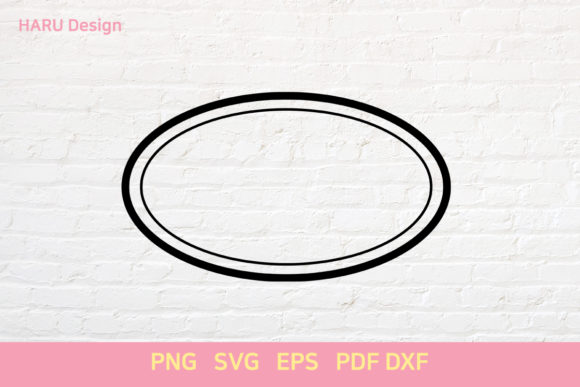
When a new design asset arrives, I open it with a specific question: could I use this on a real client project tomorrow? With the Oval Frame graphic, that answer was immediate. This isn’t just a decorative element; it’s a versatile, foundational piece of design infrastructure. The clean, symmetrical oval form presents itself with a quiet confidence. It feels classic, yet adaptable—a shape that can frame a logo with authority or cradle a floral illustration with gentle elegance. My first impression was of balanced versatility; this is a graphic that serves rather than dominates.
Establishing Mood and Style with a Simple Shape
The mood this oval frame creates is inherently polished and intentional. It provides a contained focus, drawing the eye inward. This makes it a natural fit for projects that need a touch of refined structure: a boutique product label for handmade candles, the header graphic for a wedding planner’s website, or the central motif for a series of Pinterest pins promoting a seasonal bakery campaign. It represents a style that is neither overly ornate nor starkly minimalist. It occupies a productive middle ground—a decorative element that adds visual weight and definition without overwhelming the core content.
Real-World Application Across Client Projects
In practical design situations, this asset’s utility shines. For logo design and brand identity, the oval can become a container for a wordmark or a symbolic icon, instantly lending a badge-like, established feel. In packaging design, it works beautifully as a repeated pattern on a gift box or as a focal point on a product label for small-batch goods. For social media graphics, especially Instagram posts or Pinterest pins, placing text or a product shot within the frame creates instant hierarchy and visual appeal.
Its performance in printable designs is excellent given the provided file suite. The 12in×12in artboard size means it’s ready for larger format applications like posters or wall art, while the vector files (SVG, EPS, PDF, DXF) ensure it scales perfectly for smaller items like invitation details, sticker designs, or merchandise such as t-shirt graphics and mug art. For Cricut projects or sublimation design, the DXF and SVG files are particularly valuable, allowing for clean cuts and edits.
Where This Design Asset Works Best
This oval frame excels in large layout areas and as a hero graphic. Imagine it as a oversized background element on a website banner, framing a key headline. It’s superb in product mockups, providing a realistic decorative layer on a digital book cover or a cosmetic bottle. For themed collections—like a series of blog visuals for a “vintage garden” editorial—the oval can be a consistent thread, tying each piece together. It serves wonderfully as a packaging detail, a subtle embossed effect on a paper bag, or as a supporting brand element repeated across marketing visuals.
Considerations for Careful Use
There are situations where this asset requires thoughtful application. At very small sizes, such as in footer icons or dense infographics, the fine lines of the frame might lose definition or become visual noise. In crowded layouts with complex backgrounds, the oval needs clear space and contrast to maintain its purpose. For minimalist branding projects seeking an ultra-clean aesthetic, the frame might be perceived as an unnecessary decorative layer. In professional corporate materials like formal reports, its decorative nature might feel out of place unless the brand identity explicitly uses such motifs.
The Impact on Design Fundamentals
Using this frame directly affects readability and hierarchy. By creating a natural container, it prioritizes whatever sits inside it, making it excellent for highlighting a key message, a product name, or a date. For brand consistency, a well-chosen decorative element like this can become a recognizable visual signature across platforms, building visual trust and recognition. Its emotional appeal is subtle; it conveys care, completeness, and attention to detail, which enhances the overall impression of professionalism and engagement in a design project.
Practical Designer Notes Before Client Use
Before committing this oval frame to a commercial design project, I run a few standard tests. First, I view it in black and white to ensure its form holds without color dependency. I check contrast by placing it on both light and dark backgrounds to confirm visibility. Previewing it at various sizes—from a tiny social media icon to a full-page print layout—reveals how the lines behave. Placing it on real mockups, like a t-shirt template or a book cover, provides context.
The included file formats are a significant advantage. The PNG with transparency is ready for quick digital compositing in web design or social media graphics. The SVG and EPS files are crucial for deep editing; I can adjust stroke weight, color, or even break the shape apart to integrate it more fluidly into a custom logo design. I test pairing it with different font styles: a serif font inside the frame feels traditional and scholarly, a sans serif feels modern and clean, a script font evokes elegance, and a bold display font creates a powerful, badge-like statement. Finally, I always confirm the commercial license terms for the client’s intended use, whether for an Etsy product, print-on-demand line, or broad marketing campaign.
A Versatile Asset for the Creative Marketplace
Ultimately, the Oval Frame graphic proves itself as a reliable, multi-format design asset. It’s not a flashy, trend-dependent piece. It’s a fundamental shape tool that supports creative design across a wide spectrum: from the handmade business crafting its first brand identity to the marketer needing polished digital ads. Its strength lies in its simplicity and the thoughtful provision of production-ready files. For a designer reviewing assets for real client work, this is the type of digital product that earns a permanent place in the toolkit—ready to frame the next great idea.