Why Professional Designers Review Ribbon Banner Graphics Before Client Projects
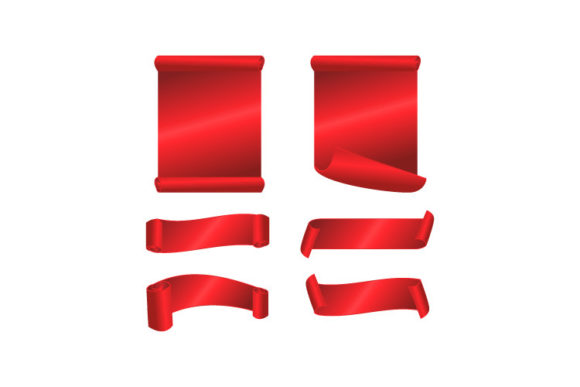
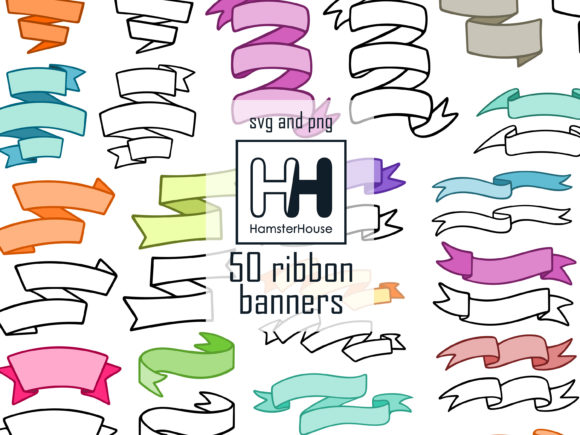
As a designer reviewing a new asset for a potential client project, my first impression of this bundle sets the tone. Opening the 50 Ribbon Banners collection, I’m immediately struck by the variety. With 25 distinct styles in both full color and monochrome versions, the mood is versatile, leaning towards celebratory, elegant, or playful depending on the specific ribbon. This isn't a single, rigid style; it's a toolkit of decorative elements that can evoke nostalgia, sophistication, or whimsy. For a client project—say, a launch for a handmade skincare line or a seasonal campaign for a local bakery—this range means I can match the visual tone precisely without starting from scratch.
The Real Test: Placing Ribbons into Active Design Scenarios
My next step is always to throw assets into real-world contexts. For a boutique product label, a delicate, color ribbon banner can frame the product name beautifully, adding a touch of craft without overwhelming the essential information. In packaging design, a more elaborate scroll clipart might become a central decorative seal, suggesting quality and attention to detail. I test them against clean sans-serif fonts for a modern feel and against script fonts for a more classic, handwritten aesthetic. The black-and-white versions are particularly valuable; they allow me to assess the form and linework alone, ensuring the design holds up in contexts where color isn’t an option, like certain print techniques or minimalist brand applications.
Where These Decorative Graphics Truly Elevate a Project
These ribbon banners excel as accent pieces. In large layout areas like posters or website hero graphics, a bold ribbon can anchor a headline, creating immediate visual interest. For social media graphics, especially Instagram posts or Pinterest pins, a well-placed ribbon adds a layer of polish that distinguishes a brand’s content from the generic. In printable designs—invitations, wall art, or stickers—the transparent PNG files allow for seamless integration over patterned or textured backgrounds. For Cricut projects or sublimation design, the included SVG file is crucial; vector editability means I can resize, recolor, or combine elements without quality loss, tailoring it perfectly for t-shirt designs, mugs, or tote bags.
Caution Zones: When to Use Ribbons with Care
Professional judgment means knowing limitations. These are decorative elements, not structural ones. In small sizes, such as tiny web icons or crowded footer areas, intricate ribbon details can become muddy and lose impact. They should be avoided on complex backgrounds where the transparency might fight with other patterns, breaking visual hierarchy. For very clean, minimalist branding or professional corporate materials like annual reports, a ribbon might introduce an unwanted casual or ornamental feel. The key is intent: is the ribbon serving a clear purpose—enhancing a mood, framing a key message—or is it merely decoration? In commercial design assets, every element must justify its presence.
Impact on Brand Perception and Audience Engagement
Integrating such graphics affects more than aesthetics. A thoughtfully chosen ribbon banner can significantly boost emotional appeal. For a small business branding project, it can convey a handmade, personal touch that fosters trust and connection. In marketing visuals for a seasonal campaign, it can instantly signal festivity and joy, increasing audience engagement. However, misuse can harm professionalism. An overly busy or poorly contrasted ribbon can make a design feel cluttered and amateurish. I always test contrast on light and dark backgrounds, preview at various sizes, and place the PNGs on real product mockups to see if they enhance or distract from the core product.
Practical Designer Checklist Before Client Use
Before committing this asset to a paid client project, I run through a final review. First, licensing: confirming the commercial license allows use for client work, Etsy products, and print-on-demand sales is non-negotiable. Then, file inspection: the PNG transparency must be clean, with no residual white edges, and the SVG paths should be well-organized for easy editing in vector software. I test print quality by outputting a sample at both high and low resolution to check for crisp lines. Finally, I assess versatility: does this bundle offer enough variation to serve the client’s needs across different mediums—from web design to editorial design to physical merchandise? For the described bundle of 50 Ribbon Banners, with its dual color/BW versions and vector/scalar file formats, the answer for many creative projects is yes. It provides a flexible foundation of decorative elements that, when applied with design discernment, can help a client’s visual concept feel cohesive, polished, and intentionally crafted.