A Golden Frame to Elevate Your Premium Print Projects
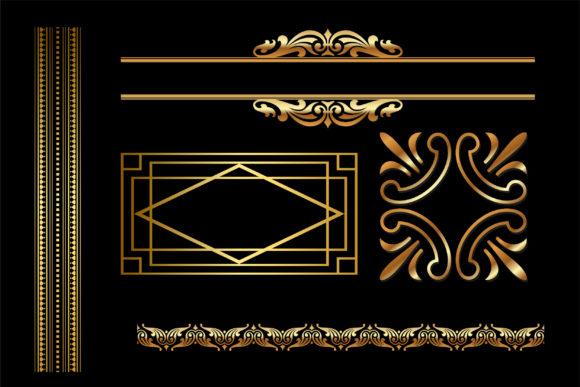
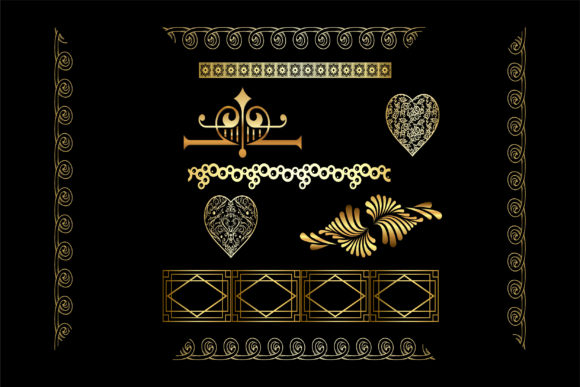
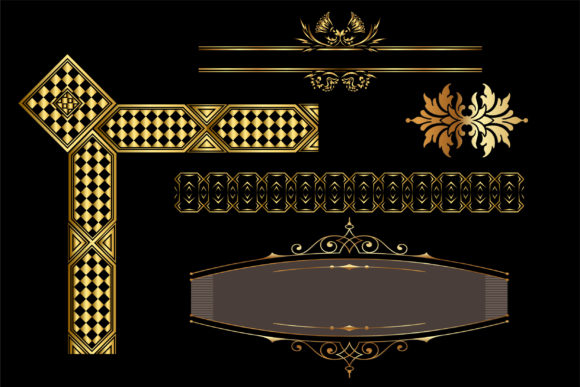
When a new graphic design asset lands in my library, my first instinct is to imagine it within a real client project. Today, I’m reviewing a decorative asset called Luxury Golden Ornamental Design. The immediate impression is one of opulence and heritage. It’s not a subtle line art; it’s a statement piece, rich with intricate vintage ornamentation that evokes a sense of legacy, craftsmanship, and refined taste. The mood it creates is decidedly luxurious, trending towards royal illustration, but with an accessibility that makes it suitable for modern boutique branding rather than just historical archives.
The Client Scenario: A Handmade Perfume Brand Launch
Let’s place it in a real case: a client is launching a small batch, handmade perfume line. Their story is about rare botanicals, vintage-inspired bottles, and an intimate sensory experience. They need a visual identity that feels exclusive, artisanal, and visually sumptuous for their labels, packaging, and marketing. This is where Luxury Golden Ornamental Design enters the conversation. It wouldn’t be the logo itself, but a powerful supporting graphic design asset.
Applied as a decorative frame on a product label, it instantly elevates a simple rectangle into a bespoke artifact. Used as a background flourish on a website banner for their launch, it sets a tonal expectation of quality. For their social media graphics—especially Instagram posts and Pinterest pins announcing the collection—this golden ornamentation provides a consistent, elegant thread that ties the campaign together. It moves beyond a basic product description into being a key component of the brand’s visual mood.
Where This Decorative Frame Shines in Practical Application
This asset performs exceptionally well in areas where detail and decoration are assets, not distractions. Think of large layout areas where the intricacy can be appreciated: the cover of a boutique hotel’s seasonal brochure, the hero graphic on a fashion brand’s landing page, or the main decorative element on a printable wedding invitation suite aiming for a vintage glamour feel.
- Packaging & Labels: For product mockups, especially for luxury goods, cosmetics, gourmet foods, or specialty drinks, this frame can border a logo or key product information, adding immense perceived value.
- Printable Designs & Merchandise: As part of a design bundle for printable wall art, it fits themes of vintage glamour, royalty, or classic literature. For Cricut projects or sublimation design, it could be used for ornate details on t-shirt designs, tote bags, or mugs for a themed event or niche online store.
- Marketing Visuals: In editorial design for a fashion blog, it could frame featured images. For digital ads or email headers for a boutique, it provides an immediate visual cue of premium quality.
- Social Media & Web Design: As a recurring decorative accent in Instagram post templates or Canva templates for a small business, it builds strong brand consistency and emotional appeal.
The Nuances of Scale and Context
However, a professional designer’s review must include cautions. Luxury Golden Ornamental Design is a dense, detailed illustration. Its performance is context-dependent.
It works best when given space and clear hierarchy. In a crowded layout with multiple complex elements, it can become visual noise, competing with essential text or photography. Used at very small sizes—think a tiny favicon or a small detail on a business card—the intricate lines may blur or disappear, losing their impact and potentially harming readability.
This asset should be used carefully on complex backgrounds. Its gold styling requires contrast. Placed on a similarly busy or warm-toned background, it loses definition. It is naturally at odds with minimalist branding or projects requiring ultra-clean visual hierarchy, like some professional corporate materials. Here, it would feel incongruous.
Testing the Asset for Real-World Readiness
Before committing this to a client’s commercial design project, I run a series of practical checks. First, I test it in black and white to see if the form holds without the gold color. This is crucial for understanding its fundamental shape and for potential use in single-color printing.
I place it on both light and dark backgrounds in mockups to check contrast and legibility. I preview it at the actual sizes it will be used—from a large poster to a small sticker design—to ensure the detail scales appropriately. If the file includes SVG or vector formats, I inspect the editability: can I easily recolor it to match a client’s brand palette? Is the structure clean for cutting machines if used for Cricut projects?
For print-related graphics, I test print quality, even if just a PDF proof, to see if fine lines remain crisp. I confirm the commercial licensing terms explicitly—a must for any digital product used in client work or for my own Etsy product or print-on-demand listings.
Typography Pairing and Final Brand Impression
The choice of font alongside such a strong graphic is critical. A bold serif or a elegant script font can harmonize with the vintage, luxurious feel. A modern sans serif font, used deliberately, can create an interesting juxtaposition of classic ornament and contemporary message, but requires careful balancing. A handwritten font might feel too informal next to such a refined frame.
Ultimately, Luxury Golden Ornamental Design affects a project by injecting a specific kind of visual trust and recognition. It tells an audience, before they read a word, that the subject matter is premium, crafted, and possibly historic. It boosts the professionalism of a small business branding project aiming for a high-end market. For a marketer or content creator, it’s a ready-made tool to elevate the visual appeal of blog visuals, promotional banners, or campaign visuals without requiring custom illustration from scratch.
My final judgment, from the point of view of an experienced graphic designer reviewing this for real client use, is positive with clear parameters. This decorative frame vintage ornament is a potent creative asset. It is suitable for fashion, boutique, hotel brand, label, and banner applications as described. It will not be a universal solution, but for the right project—where luxury, decoration, and a touch of royal illustration are desired—it can be the element that transforms a simple layout into a captivating, polished final result.