A Professional’s Take on the Dog Paw Circle Embroidery Design
Whenever I’m evaluating a new embroidery design file for real-world projects, I look at it from the perspective of the final stitch. It’s not just about the graphic on screen; it’s about how it will translate onto fabric, how it will feel in the hands of a customer, and whether it solves a design problem for my work or my clients. Today, I’m considering the Dog Paw Circle.
First Impression: A Friendly, Versatile Motif
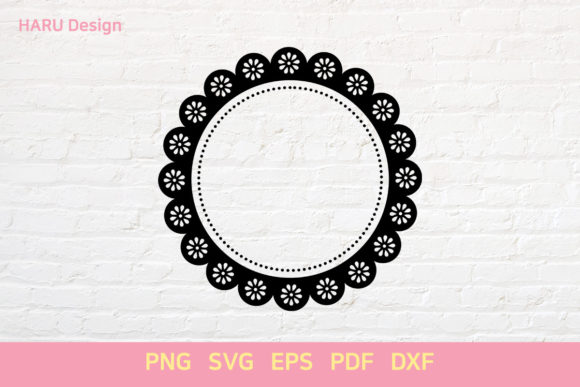
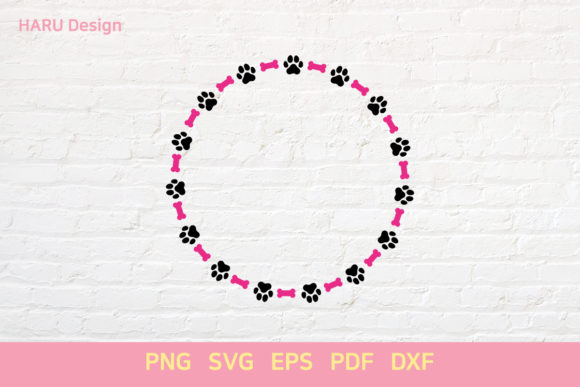
The Dog Paw Circle immediately strikes me as a clean, approachable design. The circular framework gives it a sense of completeness and order, while the paw prints inside are simple and universally recognizable. This isn’t an overly sentimental or cartoonish pet theme; it feels more like a subtle badge of membership—a quiet nod to dog lovers. The layout is balanced, and the detail level is moderate, avoiding overly tiny elements that could become problematic in stitching. Its visual personality is friendly and uncluttered, making it a candidate for a wide range of applications beyond just obvious pet products.
Where This Design Finds Its Natural Home
I’m picturing this on a custom embroidered tote bag for a dog walker, or as a small, charming accent on the corner of a baby blanket for a family that just welcomed a new puppy alongside their newborn. It would work beautifully as a single, centered motif on a cotton apron for a pet-friendly bakery or cafe. For a small shop selling handmade goods, this could become a signature element on tea towels or pillow covers, appealing to a broad audience. The circular shape also lends itself perfectly to creating embroidered patches, which are endlessly popular.
Performance in Real-Life Embroidery Situations
In practical use, the simplicity of the Dog Paw Circle is its greatest asset. For machine embroidery, the provided file formats—especially the SVG and EPS—are crucial for clean scaling and adaptation. Given the artboard size of 12×12 inches, this design is clearly intended to be scaled to your needs. On a sweatshirt or t-shirt, scaled down to a 3-inch diameter, it would stitch out quickly with good clarity. The lack of intricate inner details means stitch density can be managed well, preventing a stiff, heavy feel on lightweight apparel.
On a tote bag or canvas apron, it would provide a structured, professional-looking decoration. For baby clothes or delicate blankets, using a lighter fill stitch or even considering an applique approach (if adapted) could keep it soft. As a digital embroidery file, it’s a solid asset for creating printable mockups for Etsy listings or for a craft business looking to expand its product line with consistent, themed items like holiday gifts for pet owners or personalized wedding gifts for a couple who loves their dogs.
Careful Application: Where to Pay Attention
While versatile, any design requires thoughtful application. With the Dog Paw Circle, I’d be cautious on very small hoop sizes—if scaled down too much, the circular outline and the paw prints could lose definition if the satin stitch width isn’t adjusted properly. On highly textured or stretchy fabrics, like some knit sweatshirts, a good stabilizer strategy is non-negotiable to maintain that clean circle shape. The design, depending on your thread choice, might also need contrast consideration on dark fabrics; a white or light fill for the circle interior could be essential for visibility.
On curved surfaces like caps, the perfect circle might distort slightly, so testing on scrap fabric is key. While it doesn’t have tiny lettering, the enclosed paw shapes mean you’ll want to inspect the stitch path for those areas to ensure they don’t become dense, puckered points. For products destined for frequent washing, like kitchen towels, opting for robust thread and a secure stitch file will help longevity.
The Impact on Your Project and Your Customer
Using a design like this effectively boosts visual appeal through its clean, recognizable symbolism. It creates stitching clarity by avoiding unnecessary complexity. For a handmade product, it adds a touch of thoughtful customization that feels professional, not amateur. This builds customer trust and engagement. If you’re running a small shop, using such a coherent Decorative Element across a product line—say, on tote bags, patches, and pillow covers—enhances brand consistency.
The Dog Paw Circle has high giftability. It’s a specific theme, but not overly personal, so it works as a gift for a friend, a dog trainer, or a family. Its recognition factor is instant, which is good for commercial embroidery projects like uniforms for pet businesses or merchandise for animal shelters. For the maker, it presents as a professional Graphics asset that can be adapted without looking generic.
Practical Notes for the Embroidery Designer
Before committing this to a client project or your own merchandise, do your standard checks. Always test the design on scrap fabric of the same type you plan to use. Review the stitch density in your software, especially for the circular fill. Confirm your target hoop size can accommodate the scaled version comfortably. Inspect how the small paw details render in your machine’s preview.
I’d also test it in black and white digital mockups to see how it holds up as a silhouette. Compare how it looks on both light and dark fabric backgrounds in your imagination—you might decide to offer it in two color schemes for your products. Using proper stabilizer is, as always, a foundational step. Crucially, since this is provided as a bundle of files (SVG, EPS, PNG, PDF, DXF), you must confirm the licensing terms before selling finished items or using it in commercial embroidery. The files themselves don’t dictate the license; that information must come from the seller or source.
Finally, consider thread color contrast. A navy blue circle on a grey sweatshirt might be subtle, but a bright red circle on a white bag could be vibrant and eye-catching. Your choice here directly affects the mood of the final product.
Final Judgment: A Reliable, Adaptable Asset
The Dog Paw Circle isn’t a flashy, trend-driven design. It’s a reliable, adaptable asset for an embroidery designer’s toolkit. It fits into real-world scenarios—from a personalized gift to a small shop’s best-selling apron—without demanding excessive modification or causing technical headaches. Its strength is in its straightforward, friendly execution. For crafters, hobbyists, and entrepreneurs looking for a design that speaks to a common passion without shouting, this circle provides a solid, stitch-ready foundation. Just remember the golden rule of embroidery: test first, stitch with confidence second.