Evaluating a Rainbow Design for Professional Embroidery Projects
Let’s talk about this Rainbow Svg Cutting Design from a practical, working designer’s perspective. I’m looking at it not as a digital file in a folder, but as a potential stitched element on a real product. The first thing I do with any design is to visualize it in thread.
The Immediate Mood and Visual Personality
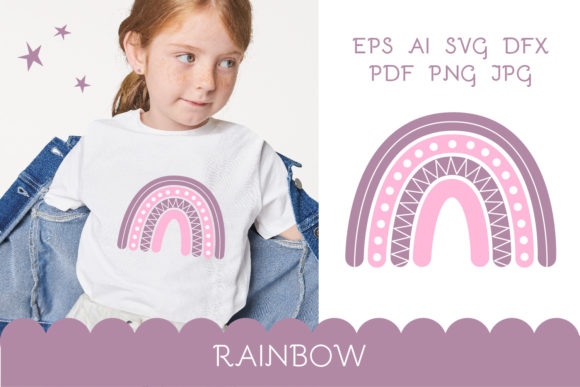
This rainbow is a classic decorative element, which immediately signals cheerfulness and simplicity. Its shape is clean and graphic, not overly detailed or fussy. For an embroidery designer, that’s often a great starting point. It creates a mood of playful optimism, which translates beautifully into personalized gifts or boutique products aimed at children, families, or just adding a bit of lighthearted charm. The 8-inch length noted in the description gives me a solid sense of scale—it’s substantial enough to be a focal point on an adult sweatshirt or tote bag, yet could be scaled down for a smaller item like a baby bib or cap without losing its core identity.
Where This Design Naturally Belongs
In my mind, this design almost immediately suggests a few perfect homes. A custom embroidered tote bag for a craft fair vendor, with the rainbow sitting proudly above the shop name. A child’s sweatshirt or blanket for a nursery decor project. An apron or kitchen towel as a bright, cheerful holiday gift. It’s versatile because its theme is universally positive. For an Etsy seller specializing in handmade, cheerful products, this is a reliable graphics asset. The fact it comes in multiple formats—SVG, AI, EPS, PDF—means it’s adaptable for digital product previews and printable mockups, which is crucial for selling the idea to a customer before the needle even hits the fabric.
Performance in Real-Life Embroidery Situations
Now, let’s walk through a real scenario. Imagine I’m preparing a custom order for an embroidered denim patch, which will then be applied to a canvas tote bag. My client wants something colorful and recognizably handmade for her small shop merchandise. I load this Rainbow Svg Cutting Design into my software. The 300 dpi print quality mentioned is a good baseline for clarity, but in embroidery, we care about stitch paths. The clean arcs of a rainbow are ideal for satin stitch borders or smooth fill stitch areas for the color bands. This isn’t a design with tiny lettering or intricate details that could get lost; its strength is in its bold, simple shape.
On a dark fabric, like a black cap, I’d need to think carefully about thread color contrast—bright, saturated threads would make this pop. On a baby item made from softer, sometimes textured fabrics, I’d consider a lighter stitch density to keep the fabric flexible and comfortable. For a pillow cover or a tea towel, which might see frequent washing, the design’s solid form would hold up well, with no fragile corners that could fray. Its visual appeal is straightforward and engaging, which increases the perceived value of the finished product. A customer seeing this on a gift feels the handmade presentation is intentional and professional.
Careful Considerations for Optimal Results
While the design is adaptable, there are always places to use caution. If scaling it down significantly for a very small hoop size, say for a delicate baby garment detail, I would test on scrap fabric first to ensure the stitch clarity remains—the bands need enough space to be distinct. On highly stretchy fabric, proper stabilizer choice is paramount to keep the rainbow’s shape from distorting. Layered garments or curved surfaces like caps require extra attention to placement; the 8-inch length might need to be adjusted to fit the curve without looking warped. The design doesn’t appear to have dense stitch areas that could stiffen a fabric, but that’s something I’d confirm by reviewing the stitch density in the actual embroidery file after conversion.
For commercial embroidery projects, where time and consistency are key, this type of graphics file is a reliable starting point. It allows for batch production of items like embroidered patches or branded boutique products with a cohesive look. The inclusion of formats like DFx is a nod to machine embroidery system compatibility, but as a reviewer, I always advise checking the specific machine compatibility of the final converted embroidery file before running a production job.
Impact on Business and Customer Engagement
From a small business owner’s viewpoint, using a design like this affects more than just the stitch. It influences customer trust through a clean, recognizable result. It supports brand consistency if rainbows become part of your shop’s visual theme—think of a line of rainbow-adorned products for a children’s brand. Its giftability is high; it’s a symbol people love. For an apparel decorator, it’s a versatile element that can be combined with text or other decorative elements for personalized products.
When selling digital embroidery files or finished craft business items, showing this design in clean black and white mockups as well as on light and dark fabric backgrounds demonstrates its versatility to potential buyers. That practical demonstration builds buyer engagement far more than a standard product description.
Practical Designer Notes Before You Stitch
My final thoughts before I would commit this design to a client project are always practical. First, test it. Run a sample on the actual fabric type you plan to use, even if it’s just a scrap. Check thread color contrast against your fabric background—sometimes a bright rainbow on a white fabric needs slightly different saturation than on a navy one. Inspect the small details in the file after conversion to an embroidery format; ensure curves are smooth and there are no unintended overlaps.
Confirm your hoop size can accommodate the design at your desired scale. Crucially, confirm the licensing terms of the purchased images for your intended use. The description states “All purchased images,” which implies you own them, but you must verify if your use is for personal projects, commercial embroidery projects, or resale as a digital product. Never assume. This step protects your business.
Used thoughtfully, this Rainbow Svg Cutting Design is a robust graphics asset. It has the visual personality to elevate a simple tote bag into a cherished gift, or to become a staple in a maker’s lineup of holiday embroidery offerings. Its success in a real project hinges not on the file itself, but on the embroiderer’s skill in pairing it with the right fabric, thread, and intention. That’s where the real magic of a good decorative element happens.